
Call or Text: (704) 284-9660

Call or Text: (704) 284-9660
Call or Text: (704) 284-9660
Call or Text: (704) 284-9660
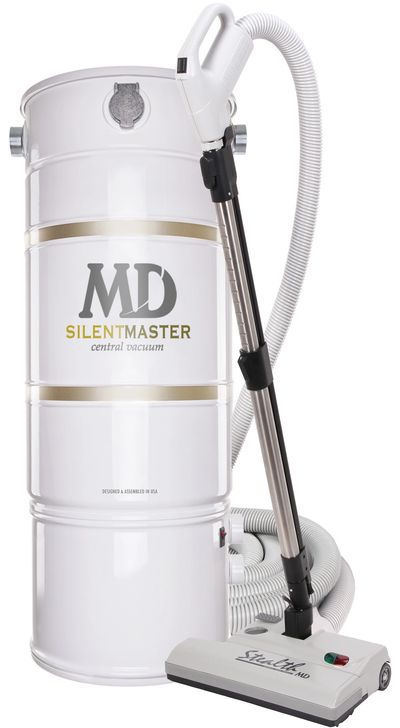
If you have always used a traditional vacuum like a Shark or Dyson, you know they can be heavy and LOUD. If they're bagless, emptying the dust bin causes a cloud of vacuumed dust to fly into the air when you open it. Filters are required to be changed regularly, else you risk blowing that dust back into the air (And your lungs!). They smell like your pet every time your turn them on, they don't always fit underneath your furniture with ease, and the 20ft cord always seems to be just a bit too short to reach that one corner. Plus, you've caught the cord in the brush roll so many times that it has torn spots all over that you really don't feel safe using it with. In this day and age, can't we come up with something better?
Enter the Central Vacuum, a permanently installed home appliance similar to your water heater and refrigerator. The central vacuum has one task to do, and it does it well. You have "inlets" installed throughout your home in the wall, small doors that you can open about the size of an electrical outlet. These doors all connect using a special type of PVC pipe similar to your home plumbing. In your garage or basement, there is the vacuum itself; a solid steel tank with a hygienic and sealed dust bag inside. You open up this inlet door and use a lightweight vacuum hose, usually 30-35 feet long (but can get as long as 60ft) which carries all the dust and debris you vacuum through the pipe and into the vacuum canister.
Since the canister is located elsewhere in the home, there is very little to no noise while vacuuming. It's quiet enough that you can even vacuum the floor while others are resting in the next room over. And since all of the vacuumed air carrying the dirt is going through that same pipe, there is no dirty air blowing back into the room. No pet smell, and no allergens getting stirred up! Plus, everything packs down tight into the vacuum bag, which holds 8 gallons of debris. This means that most homeowners only have to empty the vacuum 2-3 times per year. And when that time comes you simply remove the sealed bag, toss it in the trash, and insert a new bag, a dust free experience.

A: Central Vacuums have had lots of improvements made to them over the last century. In the 1950s they increased in popularity due to the rise of cheap, lightweight PVC pipe which made them more viable for the average homeowner to install. But think about using any appliance from the 1950s today; hardly anyone would want to because everything has improved immensely since then!
The same is true for the Central Vacuum. If your system was installed anytime between the 1960s and early 2000's, it is probably using outdated components. Early models used a bottom-emptying bin that dropped dust all over the floor (and you!) every time you emptied it. With modern sealed vacuum bags, that issue is completely eliminated. We have transitioned from heavy metal-coil filled hoses that could get crushed easily, to flexible lightweight hoses that are crushproof. And since then, we've transitioned again from having to drag a hose out of the closet to retractable hoses that can be pulled out of the wall and then stored back away at a moments notice.
If you find that your built in vacuum is not worth using, give us a call to see what can be done to improve it. A central vacuum should be about convenience first and foremost, and should never be harder to use than a traditional vacuum. If it is, something is wrong, and we can help you find out what it is!
A: We are all too familiar with clogs in our vacuum cleaners. But what causes them? It's a combination of two things: Vacuuming up things that we shouldn't, and small openings that vacuumed objects get stuck in. In an ideal world, no one would ever vacuum up anything besides dust. The reality is that we love to push the limits with our vacuum cleaners; maybe it can handle that bobby pin or that piece of plastic wrapper on the floor! In a traditional vacuum, these objects get stuck. And other debris starts to build up on that stuck object until... CLOG! No more air flow means no more vacuuming.
A central vacuum rarely gets clogged, and it has a few things that work to it's advantage to make them less common. The first is that central vacuums use pipe with a 2 inch outer diameter. This is far larger than what your regular vacuum cleaner would have and helps to prevent objects from getting stuck in the first place. Most of the time they just make their way straight through the pipe and into the vacuum.
Second, the back of most central vacuum inlets have a fitting with a tight 90 degree bend. This is the only place in the whole system where you should find these bends, and if you vacuum an object that can't make it past that bend, you simply unplug the hose and remove the object and then go back to vacuuming.
Third, the fittings used with vacuum pipe are designed specifically for this purpose. They are not interchangeable with your typical Schedule 40 plumbing pipe, which has crevices and gaps on the inside when fitted together. This is fine for moving water, but can cause objects to get stuck when used for a vacuum. That is why it is imperative to have central vacuum experts like us install your system to ensure that it is designed well and with clog prevention in mind.
A: If you want to install a central vacuum but aren't sure if you'll be selling your house, you should know that having a central vacuum installed can increase your property value. For homeowners that know and love their old system, they'll appreciate having one in the house that they're buying. And for someone who has never had one before, knowing that a new and well designed system is installed can significantly increase their interest in the vacuum and the home.
The power units that we install from MD come standard with a 10 to 12 year warranty that is transferable if you sell the home. A potential home buyer's confidence will be increased if they know the vacuum included with the house still has years of peace of mind left with it's warranty coverage.